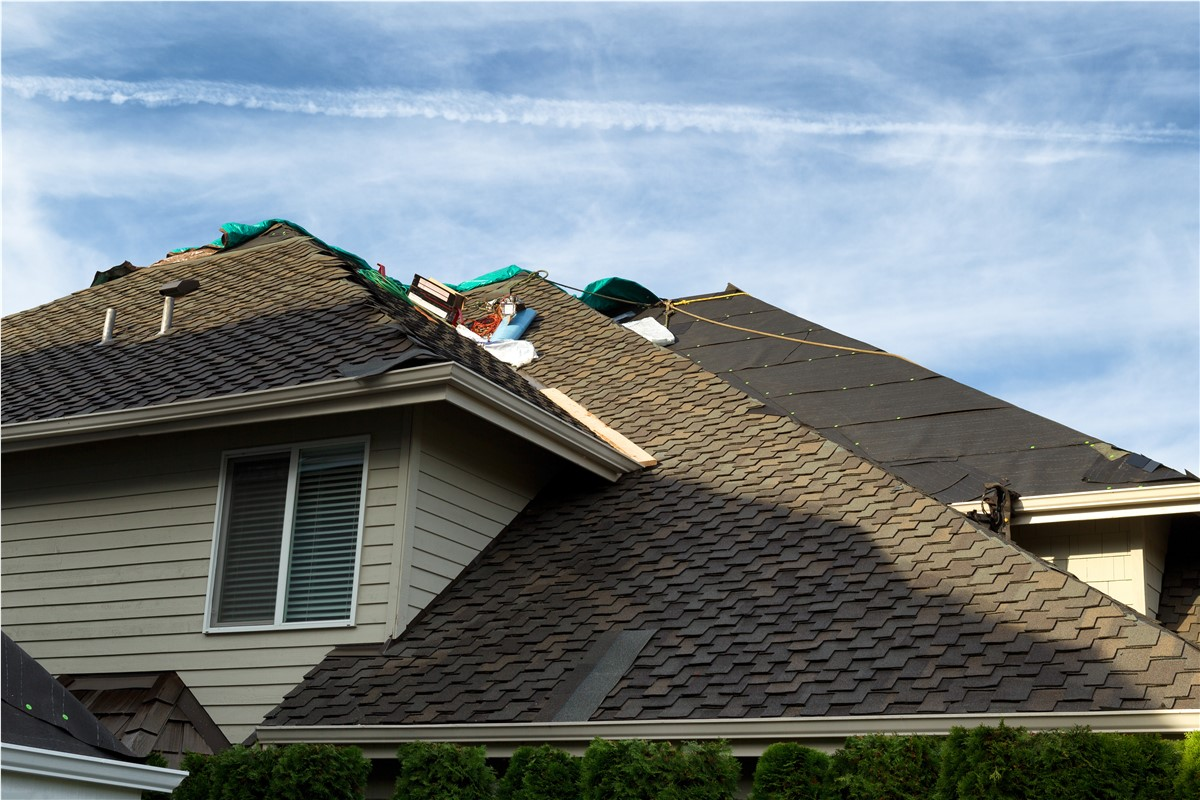
Missouri weather can be tough on your roof. Between hail, heavy rain, high winds, falling branches, and severe spring storms, roof damage is something many homeowners in Columbia and Mid-Missouri eventually have to deal with.
One of the first questions homeowners ask after a storm is: Will my homeowners insurance cover the roof damage?
The answer is: sometimes. In many cases, homeowners insurance may help cover roof damage caused by sudden, unexpected events like hail, wind, fallen trees, or storm damage. However, coverage depends on your specific policy, the age and condition of your roof, your deductible, and whether the damage was caused by a covered event. The Missouri Department of Commerce and Insurance provides consumer resources for homeowners insurance, including severe weather and post-disaster claims guidance.
When Does Homeowners Insurance Usually Cover Roof Damage?
Homeowners insurance is generally designed to help protect your home from sudden and accidental damage. According to the National Association of Insurance Commissioners, homeowners insurance commonly covers the structure of your home, personal property, liability, and additional living expenses if your home becomes uninhabitable after a covered event.
For roofs, covered damage may include:
- Hail damage
- Wind damage
- Damage from fallen trees or branches
- Storm-related leaks
- Lightning damage
- Fire damage
- Damage from flying debris
For example, if a strong storm blows shingles off your roof or hail damages the surface of your shingles, your insurance policy may help pay for repairs or replacement. Hail damage is commonly covered by standard homeowners policies, though details can vary based on policy type, roof age, exclusions, and how quickly the damage is documented.
When Might Roof Damage Not Be Covered?
Insurance does not usually cover every roofing problem. If the damage is caused by age, normal wear and tear, lack of maintenance, or long-term deterioration, your claim may be denied.
Common situations that may not be covered include:
- An old roof that has reached the end of its lifespan
- Shingles deteriorating from age
- Leaks caused by poor maintenance
- Pre-existing roof damage
- Improper installation
- Cosmetic-only damage, depending on your policy
- Damage below your deductible amount
This is why it is important to keep up with regular roof inspections and maintenance. If your roof was already in poor condition before a storm, your insurance company may argue that the damage was not caused by the storm itself.
What About Hail and Wind Damage in Missouri?
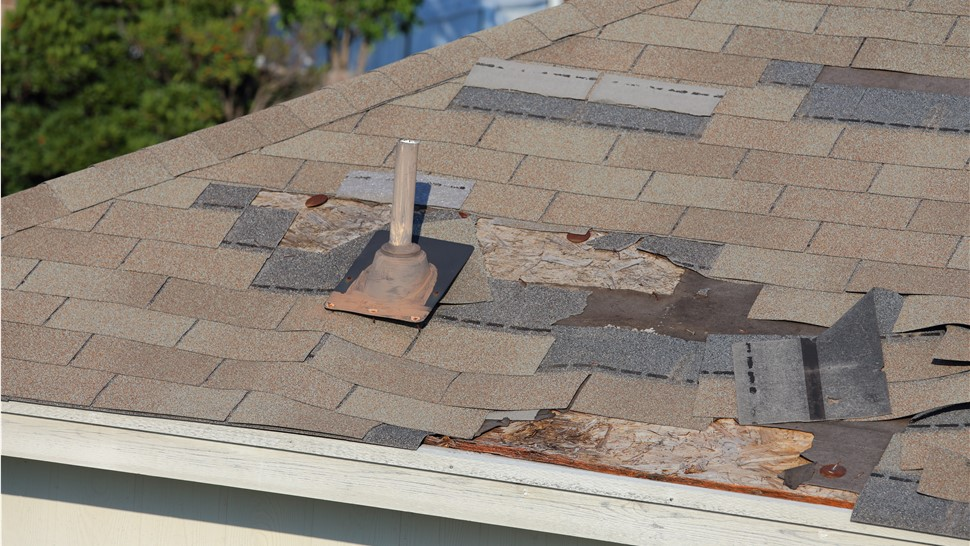
Hail and wind are two of the most common causes of storm-related roof damage in Missouri. Even if damage is not obvious from the ground, hail can bruise shingles, knock off granules, crack roofing materials, or damage flashing, vents, and gutters.
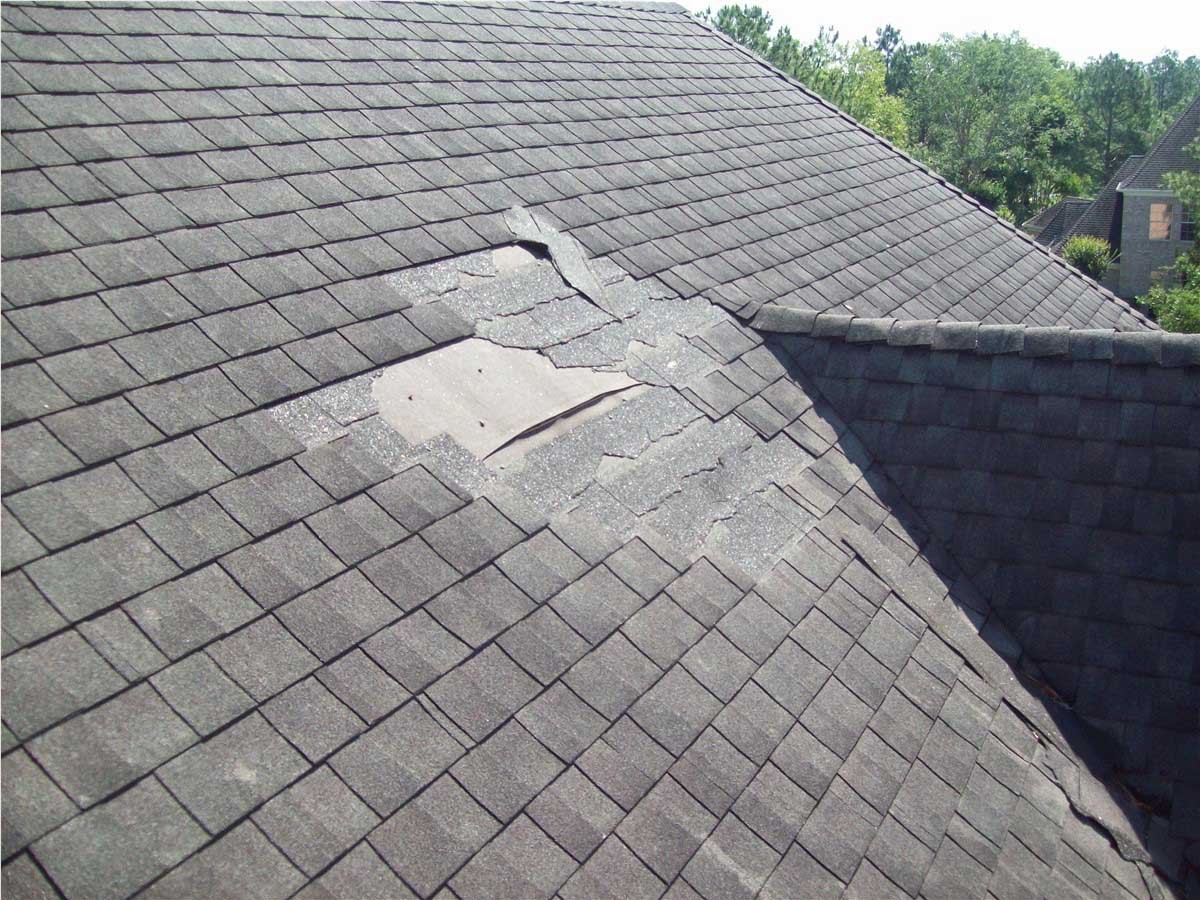
Wind can also lift, loosen, crease, or completely remove shingles. Once shingles are compromised, water can get underneath the roofing system and lead to leaks, insulation damage, ceiling stains, or mold concerns.
Because Missouri sees its share of severe weather, many homeowners should review whether their policy has a separate wind or hail deductible. Some policies may have different rules or out-of-pocket costs for storm-related claims, especially in areas with frequent severe weather.
What Should You Do If You Think Your Roof Has Storm Damage?
If you suspect roof damage after a storm, do not wait. The longer damage goes unaddressed, the more likely it is to lead to leaks or additional problems.
Here are a few steps to take:
1. Look for Visible Signs of Damage
After the storm has passed and it is safe to go outside, check for signs such as missing shingles, granules in gutters, dented gutters, damaged siding, fallen branches, or water stains inside your home. Please do not go on your roof, that is what the professionals are for.
2. Avoid Climbing on the Roof Yourself
Storm-damaged roofs can be slippery, unstable, or unsafe. It is better to leave the inspection to a professional roofing contractor.
3. Schedule a Professional Roof Inspection
A local roofing contractor can inspect your roof, identify storm damage, and document the condition of your roof with photos and notes.
4. Contact Your Insurance Company
If damage is found, contact your insurance provider to start the claims process. Your insurer may send an adjuster to inspect the roof and determine what is covered under your policy.
5. Keep Records
Save photos, inspection reports, repair estimates, and any communication with your insurance company. Documentation can be helpful throughout the claims process.
Should You Get a Roof Inspection Before Filing a Claim?
In many cases, yes. A professional roof inspection can help you understand whether the damage is significant enough to involve insurance. This can be especially helpful if you are unsure whether the damage is storm-related or if the repair cost may be close to your deductible.
A roofer cannot decide whether your claim will be approved, but they can help identify roof damage and provide documentation you may need during the process.
Don’t Wait Until a Small Problem Becomes a Bigger One
Even minor storm damage can become a major issue if it is ignored. A missing shingle or small leak can eventually lead to water damage, wood rot, insulation problems, and costly repairs.
If your home was recently hit by hail, high winds, or severe weather in Columbia, MO or the surrounding Mid-Missouri area, schedule a roof inspection as soon as possible. Catching damage early can help protect your home and give you the information you need before speaking with your insurance company.
Need a Roof Inspection After Storm Damage?
If you think your roof may have been damaged by hail, wind, or severe weather, our team can help. We provide professional roof inspections, roof repairs, and roof replacement services for homeowners in Columbia, MO and surrounding areas.
Contact us today to schedule your roof inspection and get peace of mind after the storm.
Subscribe to Fortified Roofing and Siding's Blog




Comments